
Signs You Need Mold Testing in Pinellas County — And What to Do Next
If you own a home in Pinellas County, mold is not a matter of if — it is a matter of when. Florida ranks second in the nation for homes most likely to develop mold, and the Tampa Bay coastline adds an extra layer of risk that most homeowners underestimate. Between salt air, afternoon thunderstorms, aging HVAC systems, and indoor humidity that regularly exceeds 60%, the conditions for mold growth exist in nearly every Pinellas County home at some point during the year.
The tricky part is that mold does not always announce itself. You may not see dark spots on your walls or smell a musty odor. Mold can colonize behind drywall, inside ductwork, beneath bathroom tile, and in attic spaces where it thrives for months before anyone notices. By the time visible signs appear, the problem is often far more advanced — and expensive — than it would have been with early detection.
This guide walks you through the warning signs that Pinellas County homeowners should watch for, explains how professional mold testing works, and outlines what to do if your home tests positive. Whether you live in St. Petersburg, Clearwater, Largo, Seminole, or anywhere along the Gulf beaches, this information could save you thousands in remediation costs — and protect your family's health.
1. Why Pinellas County Homes Are at Higher Risk
Pinellas County sits on a narrow peninsula surrounded by Tampa Bay to the east and the Gulf of Mexico to the west. That geography means your home is exposed to moisture from multiple directions, with average annual humidity hovering above 70% during the summer months. When you combine that with average temperatures above 72°F year-round, you have an environment where mold spores can germinate and spread within 24 to 48 hours of a moisture event.
Older homes in neighborhoods like Old Northeast St. Pete, Clearwater Beach, and Dunedin face additional challenges. Many were built before modern building codes required moisture barriers, vapor retarders, and proper attic ventilation. Even well-maintained older homes can develop hidden moisture pockets around original plumbing, single-pane windows, and aging roof penetrations. These are exactly the conditions that allow mold to establish a foothold without any visible clues on the surface.
Newer construction is not immune either. Tight building envelopes designed for energy efficiency can trap humidity inside if the HVAC system is undersized, the ductwork is poorly sealed, or the thermostat is set too high while the homeowner is away. In Pinellas County, leaving your air conditioning off — even for a long weekend — can push indoor humidity above 70%, which is prime territory for mold colonization on drywall, wood framing, and carpet padding.
Seasonal storms add another dimension to the risk. Pinellas County averages over 50 inches of rainfall per year, much of it concentrated between June and September. A single roof leak during a heavy downpour can saturate ceiling insulation and drywall, creating the perfect environment for mold growth in your attic — a space most homeowners never inspect. If you have experienced any water intrusion event, even a minor one, professional mold testing is the only way to confirm whether mold has taken hold in areas you cannot see.
2. Warning Signs That You Need Mold Testing
Mold does not always look like the dramatic black patches you see in horror stories online. In many Pinellas County homes, the first signs are subtle — a faint musty smell in one room, a persistent cough that seems to get better when you leave the house, or discoloration along the base of a bathroom wall that you keep wiping clean but it keeps coming back. These are all signals that mold spores may be present at elevated levels inside your home.
Health symptoms are often the earliest indicator that something is off with your indoor air quality. Residents in mold-affected homes frequently report nasal congestion, sneezing, itchy or watery eyes, throat irritation, and headaches that improve when they spend time away from the property. Children, elderly family members, and anyone with asthma or compromised immune systems tend to react first and most severely. If multiple people in your household are experiencing respiratory symptoms that worsen at home and improve elsewhere, mold testing should be your immediate next step.
Visual cues are another strong indicator, even when they seem minor. Watch for water stains on ceilings or walls — even if they are dry and old, they mark a previous moisture event that may have triggered hidden mold growth. Peeling or bubbling paint, especially in bathrooms and kitchens, often points to moisture trapped behind the surface. Warped baseboards, soft spots in drywall, and condensation on windows that appears regularly are all signals that your home's moisture levels may be elevated enough to support active mold colonization.
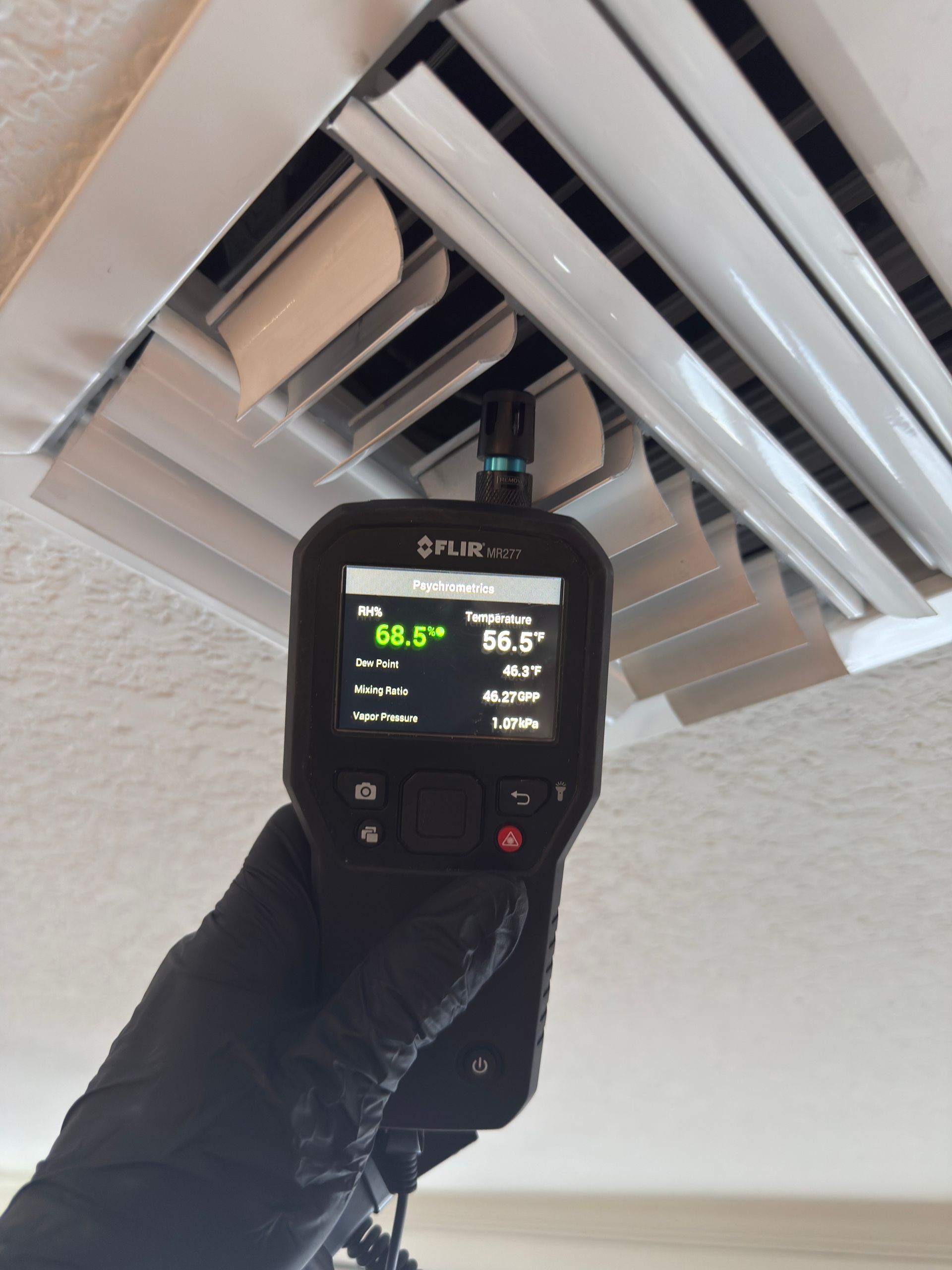
There are also situations where testing is smart even without visible signs. If you are buying a home in St. Petersburg or Clearwater, mold testing during the inspection period can uncover problems that a standard home inspection might miss. If you recently had a plumbing leak repaired, a roof patched, or storm damage addressed, testing confirms whether the affected areas were properly dried and treated. And if your home has been closed up for an extended period — common for seasonal residents — a professional air quality test before you move back in can catch problems early, when they are least expensive to fix.
3. How Professional Mold Testing Works
Professional mold testing goes far beyond what any DIY kit can accomplish. When a certified mold inspector arrives at your Pinellas County home, the process starts with a thorough visual assessment of every accessible area — bathrooms, kitchens, laundry rooms, HVAC closets, attics, garages, and any space where moisture is likely to accumulate. Inspectors use thermal imaging cameras to detect temperature differentials behind walls and ceilings, which often indicate trapped moisture that is invisible to the naked eye.
After the visual assessment, the inspector collects samples for laboratory analysis. The two most common types are air samples and surface swab samples. Air samples capture airborne spore concentrations from multiple locations throughout the home, plus a control sample from outside. This comparison reveals whether your indoor spore counts are elevated relative to the outdoor environment — which is the gold standard for determining whether a mold problem exists. Surface swabs are taken from suspicious areas and identify the specific species of mold present, which matters because some species pose greater health risks than others.
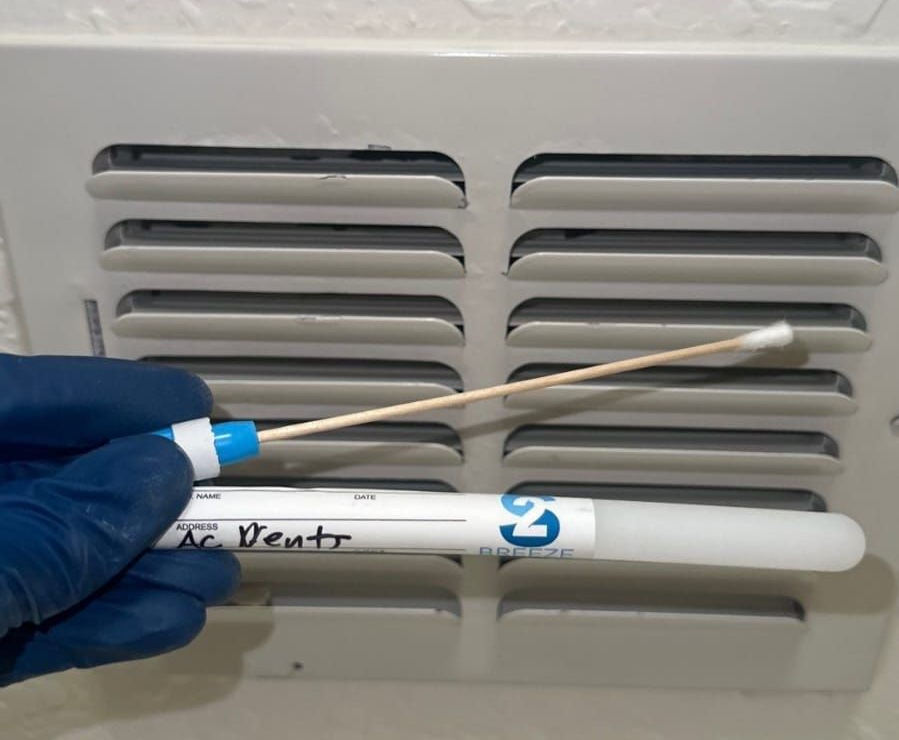
All samples are sent to an independent, accredited laboratory — not an in-house lab controlled by the remediation company. This separation matters because it ensures your results are objective and unbiased. At Spora Mold Remediation, lab reports are typically available within 24 to 48 hours. You receive a clear, detailed report that explains what was found, where it was found, what it means for your health, and what your options are. There is no pressure, no scare tactics — just certified data and honest recommendations so you can make an informed decision about your home.
One common question homeowners in Clearwater and St. Pete ask is whether they can simply buy a mold test kit from a hardware store and skip the professional inspection. The short answer is that DIY kits are unreliable. They lack the calibration, baseline comparison methodology, and chain-of-custody protocols that make professional results actionable. A positive DIY kit result does not tell you where the mold is, how severe the contamination is, or what species you are dealing with. A professional inspection gives you all of that — plus the documentation you need if insurance, a real estate transaction, or a remediation project is involved.
4. What Happens If Your Home Tests Positive
A positive mold test does not mean your home is condemned or that you need to panic. It means you have data — and data is power. The lab results tell you exactly which areas of your home are affected, what types of mold are present, and how elevated the spore counts are compared to normal outdoor levels. From there, a certified remediation company can develop a targeted plan that addresses the mold at its source, eliminates the moisture condition that caused it, and verifies the results with post-remediation testing.
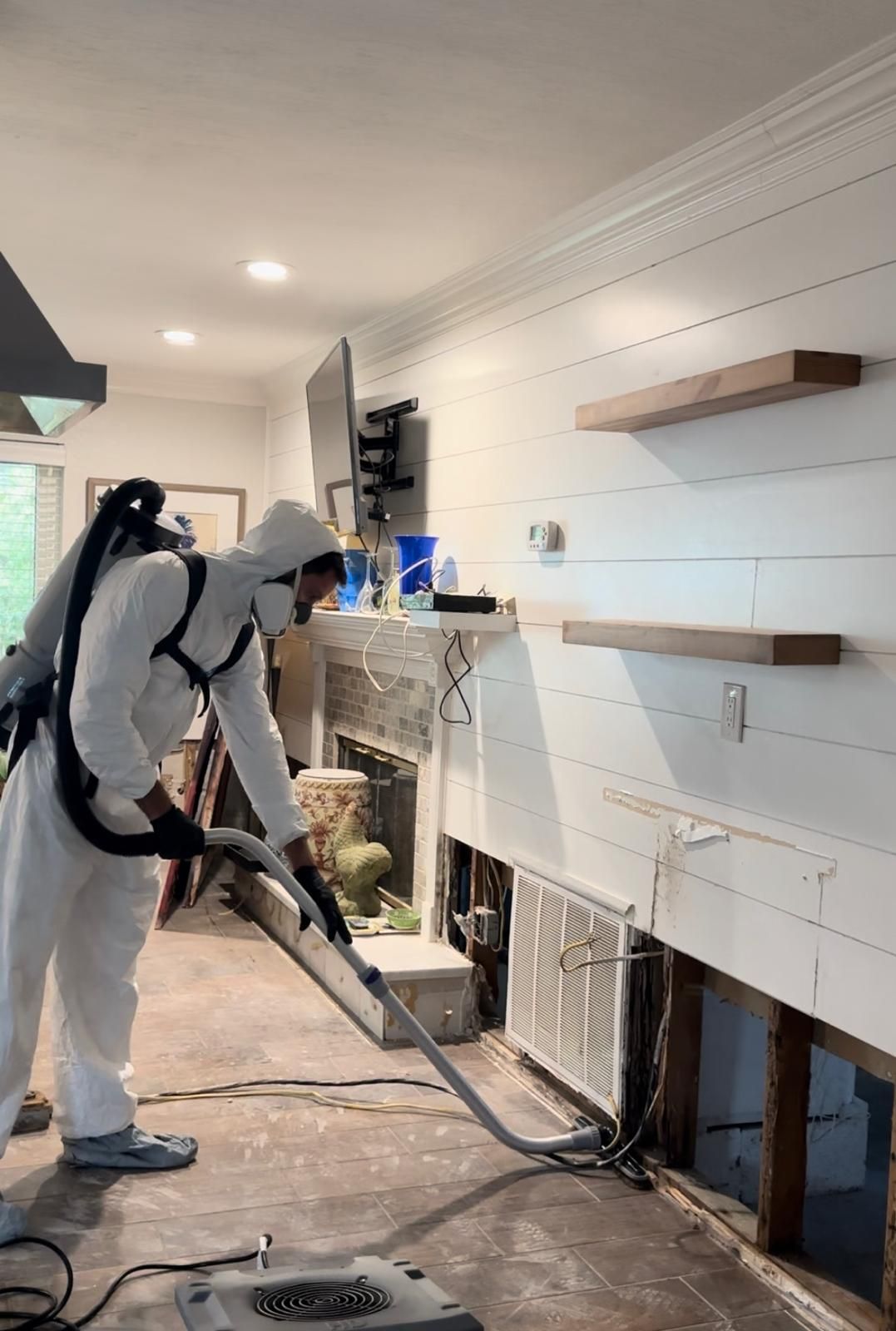
Professional mold remediation in Pinellas County typically follows a clear sequence. First, the affected area is contained using physical barriers and negative air pressure to prevent spores from spreading to clean areas during the work. Then the contaminated materials — drywall, insulation, carpet, or wood — are carefully removed and disposed of following Florida regulatory guidelines. The remaining structure is treated with antimicrobial agents, dried thoroughly, and HEPA-vacuumed to capture any residual spores. Finally, a post-remediation clearance test confirms that spore levels have returned to normal before the containment is removed.
The most critical part of any successful remediation is fixing the underlying moisture problem. If the source of water intrusion — a leaking pipe, poor drainage, condensation from an oversized AC unit, or inadequate bathroom ventilation — is not corrected, the mold will return. This is why Spora's remediation plans always include identifying and documenting the root moisture cause, not just treating the visible mold. Addressing both the symptom and the cause is what separates effective remediation from a temporary fix that leads to a callback six months later.
Cost is naturally a concern, and it varies based on the scope of contamination. A small bathroom mold issue might require minimal intervention, while a large-scale attic or wall cavity remediation in an older St. Petersburg home will be more involved. The one thing that is always true: catching mold early through professional testing costs a fraction of what it costs to remediate a problem that has been growing unchecked for months. Every week you wait, the problem expands — and so does the bill.
5. Protecting Your Pinellas County Home Year-Round
Prevention starts with controlling indoor humidity. Keep your air conditioning running — even when you are away — and set it no higher than 76°F. If you have a smart thermostat, monitor humidity levels remotely and adjust as needed. Homes in Clearwater, Largo, and the beach communities should aim for indoor humidity below 50% whenever possible. Running bathroom exhaust fans during and for 30 minutes after showers, using range hoods while cooking, and ensuring your dryer vents to the outside are simple habits that make a measurable difference.
Schedule your HVAC system for annual maintenance, including duct cleaning if you notice dust buildup or musty odors when the system cycles on. Check under sinks, around toilets, and behind your washing machine monthly for any signs of slow leaks. Inspect your roof and attic at least twice a year — before and after hurricane season. And if you experience any water intrusion event, no matter how minor, dry the affected area within 24 hours. Mold cannot colonize dry materials, so speed is your best defense.
For homeowners who want the peace of mind that comes with knowing their indoor environment is safe, Spora offers the Healthy Home Reset™ — a comprehensive whole-home air and environmental decontamination service designed specifically for Florida homes. It is a proactive investment in your family's health and your property's value, especially for homes that have been closed up, experienced water events, or simply have not been professionally tested in more than a year.
Ready to Test Your Pinellas County Home?
If any of the warning signs in this article sound familiar, do not wait for the problem to get worse. Spora Mold Remediation is a licensed, certified mold remediation company serving St. Petersburg, Clearwater, Largo, Seminole, Dunedin, and all of Pinellas County. We provide same-day and next-day mold testing appointments, independent lab-certified results, and honest recommendations with no pressure.
Call us at (727) 618-6653 or book an appointment online to schedule your professional mold inspection today. Early detection saves money, protects your health, and gives you peace of mind — and that is exactly what we are here to deliver.