
Mold and Your Health: The Complete Guide for Port St. Lucie Homeowners
If you've ever wondered whether the musty smell in your Port St. Lucie home is actually making you or your family sick, the answer is almost certainly yes — and the effects are far more varied and serious than most people expect. Mold is not simply a cosmetic problem or a minor nuisance. It is a living biological system that releases spores, toxins, and gases continuously, and prolonged exposure to elevated mold concentrations is associated with a wide range of health conditions — from mild seasonal allergy symptoms all the way to chronic respiratory disease, neurological symptoms, and immune suppression.
This guide is written specifically for homeowners in Port St. Lucie, Martin County, and the broader Treasure Coast, where the subtropical climate, hurricane exposure, and Florida construction styles create some of the highest ambient mold pressure in the United States. Understanding exactly how mold affects human health — and which residents are most at risk — is the first step toward protecting your family.
1. How Mold Enters the Human Body
The primary route of mold exposure in a home setting is inhalation. Mold reproduces by releasing microscopic spores into the air — particles so small they're invisible to the naked eye and can remain airborne for extended periods, traveling throughout a home via HVAC systems, air movement from opening doors, and even the simple act of walking through a room. A single mold colony can release thousands of spores per minute under the right conditions, meaning that a mold problem hidden inside one wall cavity can be affecting air quality throughout an entire home.
Beyond spores, actively growing mold colonies release mycotoxins — secondary metabolites that are chemically distinct from the spores themselves and in many ways more physiologically damaging. Mycotoxins can be inhaled directly, deposited on surfaces that are then touched and transferred to the mouth, or absorbed through skin contact with heavily contaminated materials. Species associated with significant mycotoxin production include Stachybotrys chartarum (black mold), Aspergillus, and Fusarium — all of which are found regularly in Florida homes that have experienced water damage.
Mold also releases microbial volatile organic compounds (MVOCs) — the chemical compounds responsible for the characteristic musty smell associated with mold growth. MVOCs are not inert; they are biologically active compounds that can cause headaches, nausea, dizziness, and cognitive effects even at concentrations below what the nose can reliably detect. Many residents of mold-affected homes report feeling "off" or experiencing unexplained fatigue before they ever notice a visible mold problem, and in most cases the MVOCs are the reason.

2. Respiratory Health Effects: The Most Common Symptoms
Respiratory symptoms are the most widely recognized effect of mold exposure, and for good reason — the lungs and airways are the primary point of contact for airborne spores and mycotoxins. The most common presentation is a pattern that resembles seasonal allergies: nasal congestion, runny nose, sneezing, itchy or watery eyes, and postnasal drip. Many residents of mold-affected homes spend months treating these symptoms with antihistamines before anyone identifies the underlying environmental cause.
The distinction between typical seasonal allergies and mold exposure is the persistence and location of symptoms. Mold allergy symptoms tend to be most intense inside the home — particularly in rooms nearest the mold source — and improve significantly when the person leaves the home for extended periods. If your "allergies" are worse in the morning after a night indoors, better when you spend a weekend elsewhere, and worst in humid months, mold exposure rather than seasonal pollen is the likely culprit.
Beyond allergy-type symptoms, mold exposure is a well-documented trigger for asthma — both triggering attacks in existing asthma sufferers and, in some documented cases, contributing to the development of asthma in children who had no prior diagnosis. The World Health Organization's guidelines on indoor air quality specifically identify dampness and mold as major contributors to childhood asthma and respiratory illness globally. For children growing up in humid Florida environments, this is not a theoretical risk — it's an active one that warrants proactive attention from parents.
More severe respiratory presentations include hypersensitivity pneumonitis — a lung inflammation condition caused by immune reaction to inhaled mold particles — and in rare but serious cases, invasive pulmonary mold infections in immunocompromised individuals. These more severe presentations typically require extended mold exposure at high concentrations, which is precisely what can happen in older Florida homes where mold has been growing undetected inside walls and HVAC systems for months or years.
3. Neurological and Cognitive Effects: The Symptoms Doctors Often Miss
One of the most significant and underappreciated dimensions of mold health effects is its impact on neurological function and cognitive performance. Research into mycotoxin exposure — particularly from Stachybotrys and Aspergillus species — has documented a range of neurological symptoms including persistent headaches, difficulty concentrating, memory problems, mental fog, mood disturbances including depression and irritability, and in high-exposure cases, sensory disturbances like numbness or tingling.
These symptoms are particularly difficult to connect to mold exposure because they don't fit the typical allergy or respiratory pattern that most people associate with mold. A person experiencing brain fog, chronic fatigue, and unexplained depression is far more likely to receive psychiatric or neurological referrals than an environmental health evaluation. The connection to their home environment may never be made — or may only be discovered after years of ineffective treatment.
The mechanism behind these neurological effects involves mycotoxin disruption of the blood-brain barrier and direct neurotoxic effects of compounds like trichothecenes (produced by Stachybotrys) on neural tissue. While much of the research in this area is still evolving, the clinical pattern of patients recovering neurological symptoms after mold remediation and relocation is well established enough that mycotoxin exposure is now a recognized consideration in functional medicine and environmental health practices.
For Port St. Lucie and Treasure Coast homeowners, this is particularly relevant because the region's hurricane exposure means many local homes have a history of water intrusion — the primary driver of Stachybotrys growth. Any home that has sustained flooding, roof leaks, or plumbing failures without comprehensive drying and remediation is a potential source of the conditions that produce these more serious mycotoxin exposures.
4. Who Is Most At Risk: Vulnerable Populations in Treasure Coast Homes
While mold exposure affects everyone to some degree, certain populations face significantly elevated health risks and warrant particular concern. Children are among the most vulnerable, both because their immune systems are still developing and because they spend more time indoors, at floor level where settled spores concentrate, and in environments like schools and bedrooms where ventilation is often limited. The documented connection between mold exposure and childhood asthma development is alone sufficient reason for parents to take indoor mold seriously.
Elderly residents face compounded risk because aging is associated with progressive immune system decline, reduced lung function, and often multiple comorbidities that make respiratory insults more serious. Port St. Lucie's large retiree population — and the prevalence of older housing stock in retirement-oriented neighborhoods — creates an intersection of vulnerable residents and higher-risk homes that makes professional mold assessment a genuine priority for this demographic.
Individuals with pre-existing respiratory conditions — asthma, COPD, chronic bronchitis, allergic rhinitis — are at dramatically elevated risk from mold exposure because their airways are already compromised and have less reserve capacity to manage the additional inflammatory burden. For these residents, a mold problem that might produce mild symptoms in a healthy adult can trigger serious exacerbations requiring medical intervention.
Immunocompromised individuals — those undergoing chemotherapy, living with HIV, taking immunosuppressive medications after organ transplant, or managing autoimmune conditions — face the most serious risk from mold exposure because they lack the immune defenses that prevent mold from establishing active infections in body tissues. For these residents, environmental mold control isn't optional; it's a medical necessity. Aspergillus and other mold species that are merely allergenic for healthy individuals can cause life-threatening invasive infections in severely immunocompromised patients.
5. Port St. Lucie-Specific Risk Factors That Amplify Health Exposure
Understanding the general health effects of mold is important, but Port St. Lucie and the broader Treasure Coast present specific environmental and housing factors that intensify the risk for local residents. The region's location on Florida's Atlantic coast exposes it to different storm patterns than the Gulf side — nor'easters, tropical systems tracking up the coast, and the direct hurricane exposure that devastated many Treasure Coast homes in the 2000s and again in recent seasons.
St. Lucie County's housing includes a significant proportion of homes built in the late 1980s and 1990s, during the rapid development period when Port St. Lucie was among the fastest-growing cities in the United States. Many of these homes used building materials and practices that have since proven problematic: Chinese drywall in some cases, stucco systems that crack and allow water intrusion, and tile roofing that looked intact but had compromised underlayment allowing moisture into attic spaces. A home built in this era that has never had a professional mold inspection is statistically likely to have some level of hidden mold growth.
The Indian River Lagoon and the network of canals throughout Port St. Lucie create a landscape where many homes sit near or on waterways that flood seasonally. Homes adjacent to canals in neighborhoods like River Park, Sandpiper Bay, and Lakewood Park have experienced repeated water table elevation events that drive moisture into slab foundations and ground-floor wall systems. This isn't visible as flooding — the water doesn't always come in the door — but it creates persistent foundation moisture that feeds hidden mold growth over years.
6. What a Professional Mold Assessment Actually Tests For
Given the scope of health effects described above, a professional mold assessment is the only reliable way to determine whether a home's air quality poses a health risk. Consumer-level mold test kits — the petri dish varieties sold at hardware stores — are not scientifically valid for health risk assessment. They detect mold presence (which is present in virtually every environment) without providing any information about concentration, species identification, or comparison to outdoor baselines that would allow meaningful interpretation.
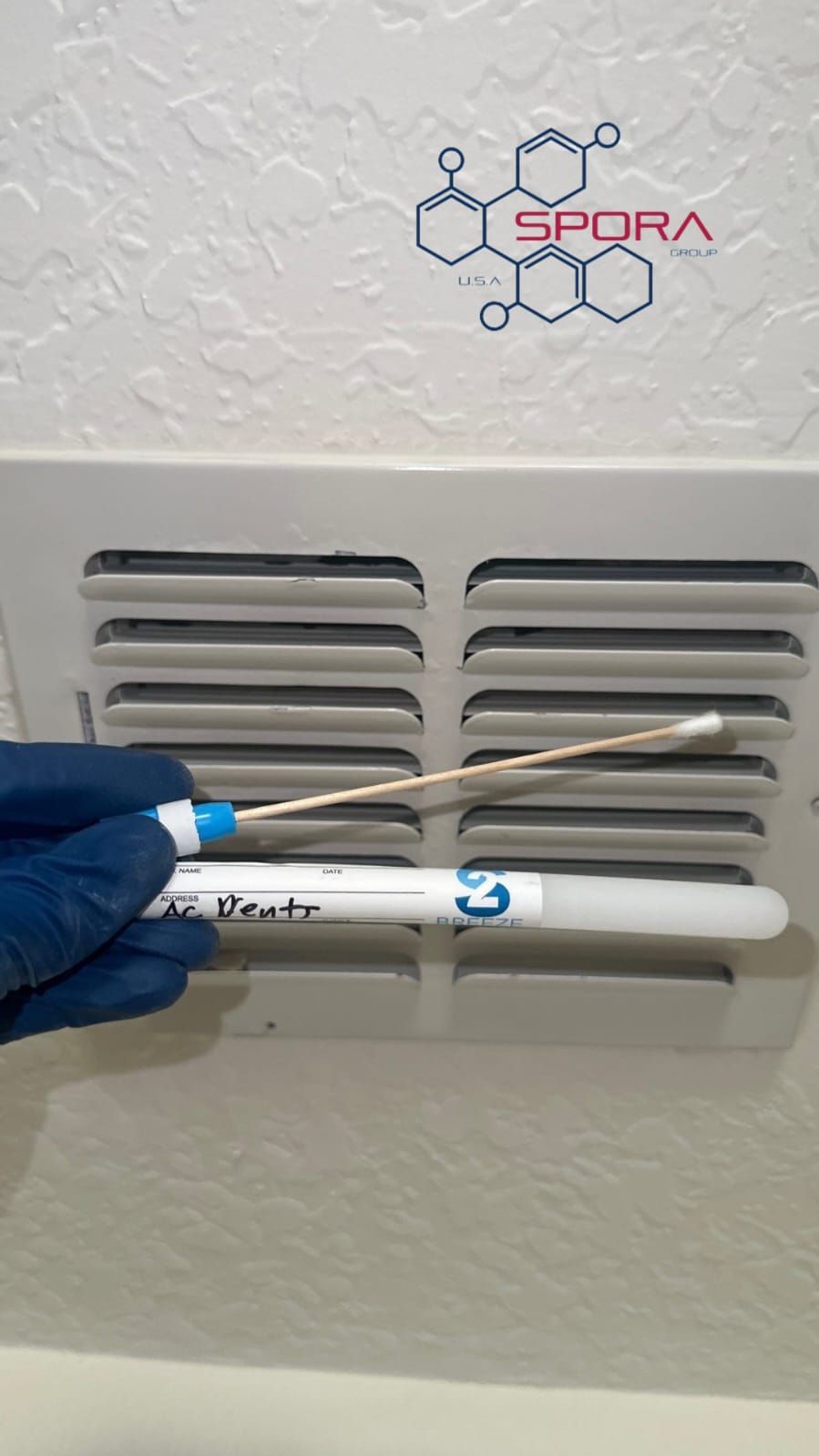
A professional assessment by a Florida-licensed mold assessor includes air sampling via spore trap cassettes, which are processed by an accredited laboratory to identify and quantify the specific mold species present and compare indoor concentrations to outdoor baseline levels. Elevated indoor concentrations relative to outdoor air — particularly of water-damage-indicator species like Stachybotrys, Chaetomium, or Aspergillus versicolor — are the diagnostic criterion for actionable mold problems regardless of whether anything visible is present.
Surface sampling via tape lifts or swabs allows targeted confirmation of visible discoloration or suspected growth areas. Moisture mapping using calibrated meters and thermal imaging identifies areas of elevated moisture inside wall systems, under flooring, and in ceiling assemblies — the areas where hidden mold growth is most likely. A complete assessment integrates all of these data points into a written report that describes the extent and nature of any mold problem and outlines the scope of remediation needed.
In Florida, mold assessment and mold remediation must be performed by separate licensed entities — the assessment company cannot also perform the remediation on the same job. This legal separation exists specifically to protect homeowners from conflicts of interest. Spora Mold Remediation holds both a mold assessor license (MRSA5106) and a mold remediator license (MRSR5152), and we always maintain the required independence between these functions.
7. When to Call a Professional: Don't Wait for These Signs to Get Worse
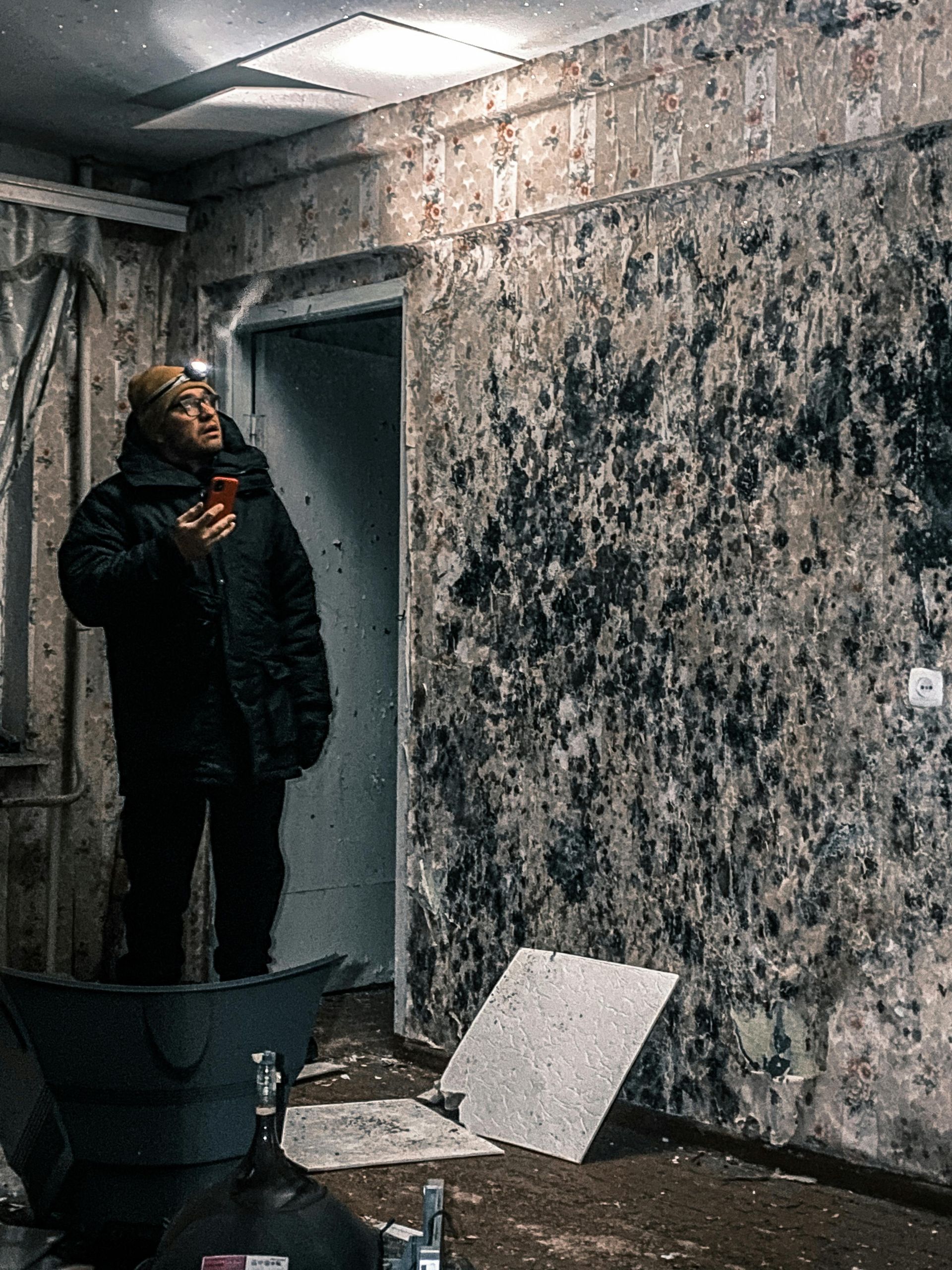
The most important practical takeaway from everything above is that mold-related health effects develop gradually and are often attributed to other causes long before the environmental connection is made. By the time a family clearly connects their health symptoms to their home, the mold problem has typically been growing for months. Proactive assessment — especially in homes with any history of water damage, flooding, roof leaks, or plumbing failures — is dramatically less expensive and disruptive than reactive remediation after significant growth has established.
Call a licensed mold assessor if: any member of your household experiences respiratory symptoms, headaches, fatigue, or cognitive difficulties that improve when away from home; if there is any musty or earthy smell in any room or from the HVAC system; if you've had any water intrusion event in the past two years that was not followed by professional drying and clearance testing; if you see any discoloration, staining, or paint abnormalities on walls or ceilings; or if you're purchasing a home with any of these characteristics.
For Port St. Lucie and Treasure Coast homeowners, these aren't theoretical precautions — they're practical responses to the genuine environmental realities of this region. The health consequences of prolonged mold exposure, particularly for children, elderly residents, and anyone with respiratory or immune vulnerabilities, are too significant to leave to chance or to a consumer-grade test kit that can't provide meaningful answers.
Conclusion: Your Home Should Protect Your Health, Not Compromise It
The science on mold and human health is clear: sustained exposure to elevated mold concentrations causes real, measurable health effects across respiratory, neurological, and immune systems. These effects are not hypothetical or exaggerated — they are documented by the World Health Organization, the CDC, the EPA, and decades of peer-reviewed clinical research. Port St. Lucie's climate, housing stock, and storm history create specific conditions that make local homeowners more exposed to these risks than most.
Spora Mold Remediation's Port St. Lucie office provides licensed mold assessment and remediation services throughout St. Lucie, Martin, and Indian River Counties. Our team carries Florida mold assessor license MRSA5106 and remediator license MRSR5152, and every assessment includes laboratory-analyzed air sampling and a written report you can use for insurance documentation, real estate transactions, or your own peace of mind. Call us at (772) 202-0209 or visit us at 694 SE Lake Falls St, Port St. Lucie, FL 34984 to schedule your assessment. Your home should be the safest place your family spends time — let's make sure it is.
David Durso is a Florida-licensed mold assessor and remediator with years of hands-on experience protecting homes and families across the Treasure Coast and Tampa Bay. He co-founded Spora LLC to bring certified, science-based mold assessment and remediation to Florida homeowners who deserve straightforward answers about their indoor air quality.