
Why Every Florida Homeowner Should Get Professional Mold Testing
Florida's warm, humid climate makes it one of the most mold-prone states in the country. For homeowners across Pinellas, Pasco, and Hillsborough counties, understanding how Florida's unique weather patterns fuel mold growth is the first step toward protecting your property and your family's health.
1. Why Florida's Climate Creates the Perfect Mold Environment
Mold thrives in environments where moisture, warmth, and organic material intersect. In Florida, these conditions exist year-round. Average humidity levels regularly exceed 70%, and summer temperatures consistently hover above 85°F. These aren't just uncomfortable conditions for homeowners — they're ideal breeding grounds for dozens of mold species, including Aspergillus, Penicillium, and the notorious Stachybotrys chartarum, commonly known as black mold.
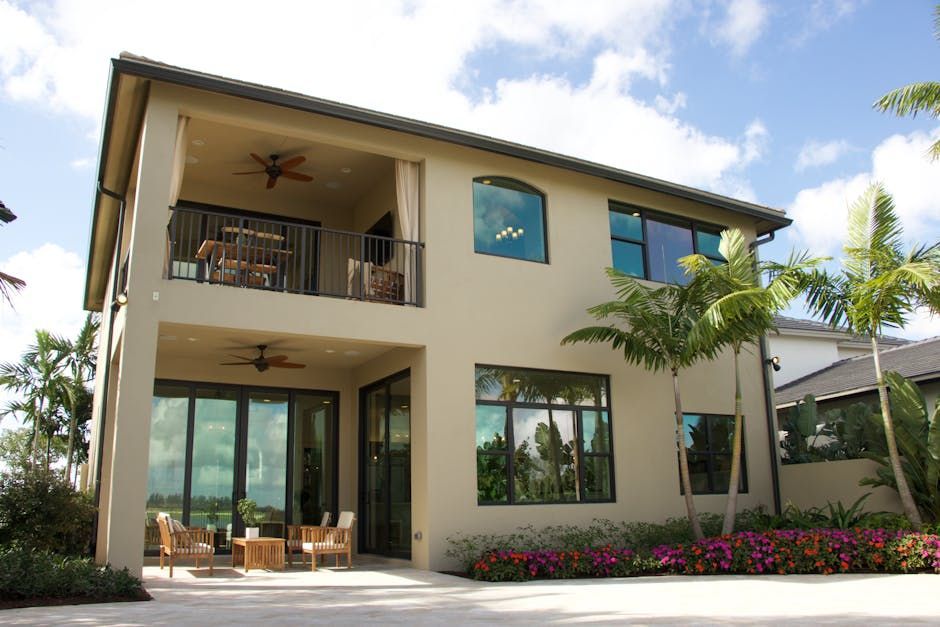
What makes the Tampa Bay area particularly vulnerable is the combination of coastal moisture, frequent afternoon thunderstorms, and aging building stock. Homes built before modern building codes often lack adequate vapor barriers, proper attic ventilation, and moisture-resistant materials. Even newer construction can develop mold issues if HVAC systems aren't properly maintained or if minor water intrusion goes undetected for weeks.
The reality is that most Florida homeowners will encounter mold at some point. The question isn't whether mold will try to establish itself in your home — it's whether you'll catch it early enough to prevent serious damage. Professional mold testing provides that early warning system, detecting elevated spore counts and hidden colonies before they become visible problems.
Have you noticed a musty smell in your home that seems to get worse during summer months? That's often the first sign that mold spores are actively colonizing somewhere inside your walls, attic, or HVAC system.
2. The Hidden Spots Where Mold Grows Undetected
One of the biggest misconceptions about mold is that you'll see it before it becomes a problem. In reality, the most damaging mold infestations happen in places you never look: behind drywall, inside air conditioning ductwork, beneath bathroom tile, in attic insulation, and within crawl spaces. These hidden areas often maintain the perfect moisture and temperature levels for mold to grow unchecked for months or even years.
HVAC systems deserve special attention in Florida homes. Your air conditioning unit processes thousands of cubic feet of humid air every day. When condensation builds up on evaporator coils, in drip pans, or inside supply ducts, mold colonies can form and then distribute spores throughout your entire home every time the system cycles on. This is why many homeowners experience respiratory symptoms — persistent coughing, sinus congestion, headaches — without ever seeing a single spot of mold.
Attics represent another critical risk zone in Tampa Bay homes. Improper roof ventilation, even a minor roof leak from a tropical storm, or inadequate insulation can create condensation zones where mold establishes quickly. During a professional inspection, our technicians use thermal imaging cameras and moisture meters to identify these hidden problem areas that visual inspection alone would miss entirely.
Bathrooms and kitchens are obvious risk areas, but the real danger isn't the surface mold you can wipe away with cleaner. It's the colonies growing behind the tile, under the vanity, and inside the wall cavity where a slow plumbing leak has been feeding moisture for months. By the time you see mold on a bathroom ceiling, the problem behind the surface is typically far more extensive than what's visible.
3. How Professional Mold Testing Works
Professional mold testing goes far beyond the DIY test kits available at hardware stores. At Spora Mold Remediation, our certified technicians use a multi-step process designed to give you a complete picture of your home's mold situation. This starts with a thorough visual inspection, followed by air quality sampling using calibrated spore trap cassettes, surface sampling where visual indicators suggest colonization, and comprehensive moisture mapping using professional-grade meters and thermal cameras.
Air quality testing is the backbone of any professional mold assessment. Our technicians collect samples from multiple locations inside your home and compare them against an outdoor control sample. These samples are sent to an independent, accredited laboratory that identifies the specific mold species present and quantifies the spore concentration per cubic meter of air. This tells us not just whether mold is present — which it always is at some level — but whether indoor levels are elevated compared to what's normal for the outdoor environment.
The lab report you receive from Spora includes species identification, spore counts for each sample location, a comparison against the outdoor baseline, and clear recommendations based on the findings. If levels are normal, you get documentation confirming your home is healthy. If elevated levels are detected, the report identifies the likely source areas and the specific species involved, which directly informs the remediation approach needed.
4. When Should You Get Your Florida Home Tested?
While annual mold testing is a smart preventive measure for any Florida home, certain situations demand immediate attention. If you've experienced any water intrusion — whether from a roof leak, plumbing failure, appliance malfunction, or storm flooding — mold can begin growing within 24 to 48 hours. Even after the visible water is cleaned up, moisture trapped in walls, under flooring, or in insulation can sustain mold growth for weeks.
Health symptoms are another critical trigger for testing. If multiple family members experience persistent respiratory issues, unexplained allergies, recurring sinus infections, or headaches that seem to improve when they leave the house, indoor mold exposure should be investigated. Children, elderly family members, and anyone with compromised immune systems are particularly vulnerable to mold-related health effects.
Real estate transactions represent one of the most common reasons homeowners in the Tampa Bay area contact us. Whether you're buying, selling, or refinancing, a professional mold inspection provides documented evidence of the property's condition. For sellers, a clean mold report removes a major concern that could derail negotiations. For buyers, testing before closing can reveal hidden issues that a standard home inspection might miss.
Post-remediation clearance testing is equally important. After any mold remediation project is completed, independent testing confirms that the work was successful and that spore levels have returned to normal. This final verification protects your investment and gives you documented proof that your home has been properly restored to healthy conditions.
Protect Your Home Before Small Problems Become Big Ones
Florida's climate means mold is always a possibility, but it doesn't have to become a crisis. Early detection through professional testing is the most cost-effective way to protect your home, your health, and your property value. At Spora Mold Remediation, we provide thorough, science-based mold testing with certified lab results, typically delivered next-day, so you can take action quickly and confidently.
If you're concerned about mold in your Pinellas, Pasco, or Hillsborough County home, call us at (727) 618-6653 or book an appointment online. Our licensed technicians will assess your property and provide the clear, documented answers you need to make the right decision for your family.