

Hurricane Season Mold Prep for New Port Richey Homes
Hurricane season officially begins June 1, and if you live in New Port Richey, you already know what's coming. Wind, rain, surge, power outages — and the silent damage that arrives long after the storm has passed. The threat most homeowners forget about isn't the wind. It's what grows in the walls during the 48 hours after the water comes in.
At Spora Mold Remediation in New Port Richey, we've spent every hurricane season since 2015 helping Pasco County families recover from storm damage. We've seen what happens when homeowners do everything right — and what happens when they wait too long. This guide is built from those lessons. It's specific to New Port Richey, written by people who live and work in your zip code, and designed to keep your home mold-free no matter what this season brings.
1. Why New Port Richey Is Especially Vulnerable to Storm-Driven Mold
Geography is destiny when it comes to hurricane mold. New Port Richey sits at the mouth of the Cotee River with a Gulf-facing coastline that has been hit hard by every major storm to track up Florida's west coast over the past decade. Hurricane Helene in 2024 sent storm surge as far inland as US-19, flooding hundreds of homes from Holiday up through Hudson. Hurricane Milton followed two weeks later with rainfall that turned previously dry neighborhoods into temporary lakes.
What makes Pasco County so dangerous for post-storm mold is the combination of three factors. First, the soil here drains slowly because much of the county sits on a high water table, so the ground stays saturated for days after a storm even when no surface flooding is visible. Second, our humidity stays above 70% for most of the summer, giving mold spores the moisture they need to germinate within hours of contact. Third, many NPR homes — especially in the Gulf Harbors, Searidge, and Beacon Square neighborhoods — were built in the 1960s and 1970s with materials and construction techniques that hold moisture rather than shed it.
This means a New Port Richey home that takes on even a few inches of water during a storm faces a much shorter window to dry out before mold takes hold. National guidance says you have 24 to 48 hours. In our climate, the safer assumption is 24 hours, full stop. After that, mold colonies are already establishing themselves inside drywall, behind baseboards, and under flooring — long before you can see them with the naked eye.
2. The Pre-Storm Prep Checklist for Your NPR Home
The single best mold-prevention strategy is to keep water out of your home in the first place. That starts before the season even begins. Walk your property in May with a critical eye for the spots where storm water is most likely to enter, and address them now while the weather is still calm and contractors are still available. Once a storm watch is posted, every roofer and handyman in Pasco County is booked solid.
Start at the roof. Have any missing or lifted shingles replaced. Clean out gutters and downspouts so they actually move water away from your foundation instead of dumping it at the base of your walls. Check the seal around skylights, vent pipes, and chimneys — these are the most common entry points for wind-driven rain. If you have an older flat-roof addition or Florida room, this is the section that historically fails first in serious weather.
Next, examine the building envelope. Re-caulk every window and exterior door. Test that storm shutters or hurricane panels actually close and lock without forcing. If you have impact glass, walk it carefully for any new chips or seal failures. Look at where the siding meets the foundation slab, and at any spots where AC line sets, satellite cables, or hose bibs penetrate the wall — these are notorious leak points during driving rain that homeowners almost never think to inspect.
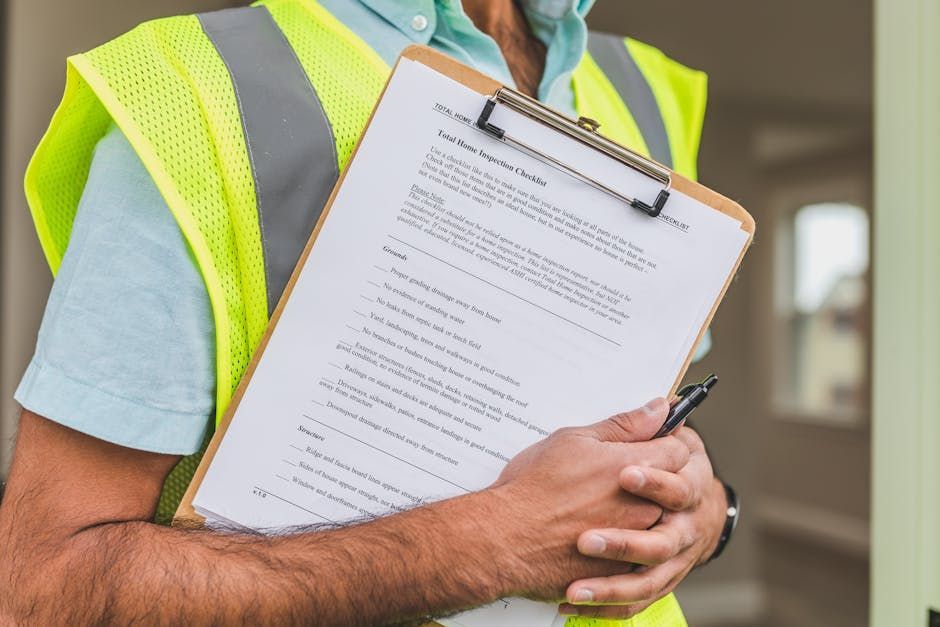
Finally, prepare for what happens if water does get in despite your best efforts. Move stored items off garage floors and out of the lowest closet shelves. Photograph every room (including inside cabinets and closets) for insurance documentation before any storm even forms. Charge battery-powered fans and dehumidifiers. And know in advance who you are going to call if you find water in your home after the storm. Saving a number after damage has already occurred wastes hours that you simply do not have to spare.
3. The 48-Hour Rule: What to Do in the First Two Days After a Storm
The clock starts the moment water enters your home. Mold spores exist everywhere — they are in your air right now, harmlessly drifting. They become a problem only when they land on a wet surface and stay wet long enough to germinate. In a New Port Richey summer, that is sometimes as quickly as 18 hours. Read more about Florida's 48-hour mold window for the full science behind why timing matters this much.
Hour zero through twelve is for assessment and water removal. Walk every room with a flashlight and look for visible water, then check rooms you don't think were affected — water travels through walls and across slabs in ways that are not obvious from the doorway. Pull baseboards in suspect rooms; if the bottom of the drywall is wet, the rest of the wall cavity probably is too. Get standing water out with a wet/dry vacuum or by mopping. If the volume is too large to handle with household equipment, this is where professional water extraction becomes essential.
Hour twelve through thirty-six is for drying. Open windows only if outdoor humidity is lower than indoor humidity (rare in summer Florida — usually you should keep windows closed and run AC at the lowest setting your system can handle). Set up fans to move air across wet surfaces, especially behind furniture and inside closets. Place a dehumidifier in the largest affected room and empty it every few hours. Remove any soaked carpet padding immediately — pad will not dry quickly enough to save and is the single most common source of post-storm mold growth in our area.
Hour thirty-six through forty-eight is your decision window. If anything is still damp, you have run out of time to handle it on your own. Drywall that is wet for more than two days will support mold growth even after it dries. Sub-flooring under tile or laminate can hold moisture for weeks unseen. This is when calling a licensed remediation team becomes critical — not because you have visible mold yet, but because you are about to.
4. Warning Signs That Mold Has Already Started
Storm-related mold rarely announces itself in obvious ways. By the time you can see fuzzy black or green patches on a wall, the colonies have been growing for weeks behind it. The early warning signs are subtler and often misattributed to other things — a passing cold, seasonal allergies, an old house just being an old house.
Watch for a musty smell that returns even after you have aired the house out and run the AC. That earthy, basement-like odor is volatile organic compounds released by active mold growth. It is the most reliable early indicator and the one most homeowners ignore the longest. New allergy-like symptoms in family members — particularly children, elderly residents, or anyone with asthma — that started after the storm and have not improved within a week are another red flag worth taking seriously.
Visually, look for water stains that change shape or darken over time, paint that bubbles or peels in a spot it never did before, and discoloration where walls meet ceilings or where floors meet baseboards. Check inside the bottom of cabinets under sinks, behind the refrigerator, in the laundry room, and around your AC air handler closet. These are the places where post-storm leaks hide longest because they're rarely inspected during normal cleaning routines.
5. When to Call a Professional in New Port Richey
Some post-storm cleanups are genuinely DIY-friendly. A small leak from a window that was caught and dried within a few hours rarely requires intervention. But there are clear thresholds where attempting to handle it yourself stops being safe or cost-effective, and crossing those lines unknowingly is how a manageable cleanup becomes a five-figure remediation project.
Call a licensed mold professional immediately if water sat in any room for more than twenty-four hours, if you can smell musty odor in any space, if any family member is experiencing unexplained respiratory or allergy symptoms after the storm, if water came up through the floor (sewage backup or storm surge), or if you find visible mold growth larger than a square foot. Spora's New Port Richey water restoration team is on call twenty-four hours a day during hurricane season, and we work directly with insurance adjusters to document and process claims so you don't have to fight that battle alone.
If the water entered cleanly (rainwater through a damaged roof, for example) and you caught it within twelve hours, professional mold testing in New Port Richey within two weeks of the storm is a smart precaution even if you don't think anything is wrong. Air sampling and moisture mapping can confirm the home dried completely and that no spores are establishing themselves out of sight where you'd never find them on your own.
Final Word: Prepare Now, Don't Improvise Later
Every hurricane season, we get the same call from people who waited too long. They thought the floor would dry out. They opened the window instead of running the AC. They didn't smell anything for three weeks, and then the bedroom started smelling musty, and then their child's asthma flared up, and then they pulled up the carpet and found what had been growing underneath. By that point, what could have been a six-hundred-dollar drying job has become a fifteen-thousand-dollar remediation.
The homeowners who get through hurricane season clean are the ones who prepared their homes in May and called for help in the first thirty-six hours rather than the third week. If your New Port Richey home takes on water this season, don't wait to see what happens. Spora's NPR team is licensed, insured, and ready twenty-four hours a day at (727) 238-5152 . We are local, we have done this every season for the past decade, and we will be on site fast.
Stay safe out there. We will see you on the other side.